
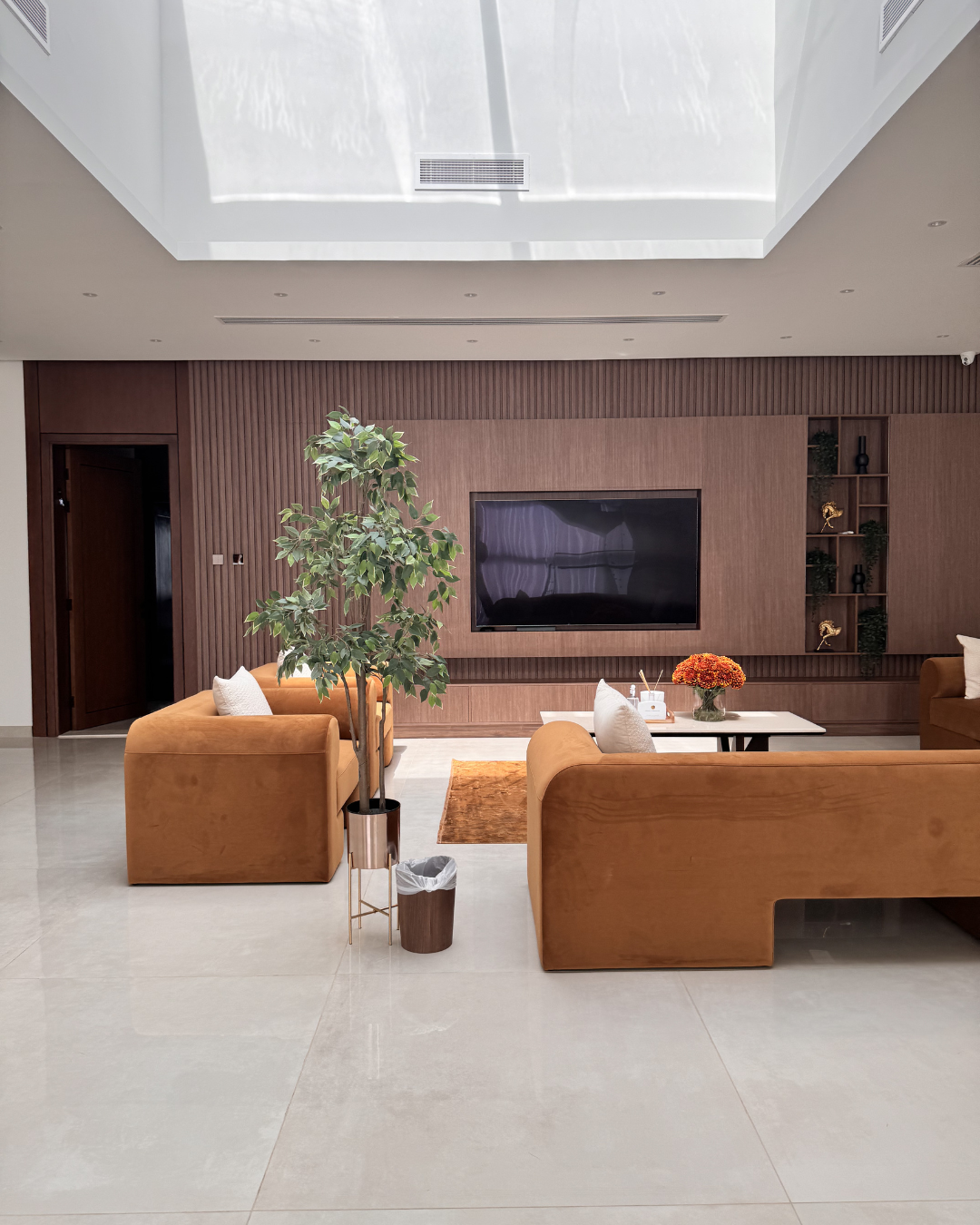
A room can have the right address, beautiful floors, and generous natural light yet still feel unfinished. Often, the missing element is not more decoration. It is modern furniture chosen with a clear understanding of proportion, comfort, and how life actually unfolds at home.
The most successful contemporary interiors do not rely on one dramatic piece to carry the room. They create a composed atmosphere through balanced silhouettes, tactile fabrics, thoughtful spacing, and a color story that feels intentional from one room to the next. Whether you are furnishing a Dubai apartment, a family villa, or a newly purchased residence, the goal is the same: create a home that looks considered and feels effortless to live in.
What Modern Furniture Really Means
Modern furniture is often mistaken for a strictly minimal look: plain surfaces, sharp lines, and rooms with very little in them. In reality, modern design is broader and more welcoming. It favors clarity over clutter, quality over excess, and forms that remain appealing long after a passing trend has faded.
A modern living room may pair a low-profile sofa with softly rounded occasional tables. A modern bedroom may combine an upholstered bed with warm wood tones, sculptural lighting, and layered textiles. The style can be quiet and monochromatic, or it can hold rich neutrals, deep green, terracotta, and patterned cushions. What connects these spaces is a sense of visual calm.
The strongest pieces tend to have a purpose beyond appearance. A chaise lounge invites a slower morning. A generously proportioned dining table brings people together. A sectional defines a large open-plan room while giving every seat a view and a place to settle. Modern elegance is not about making a home feel precious. It is about making daily life feel better considered.
Start With Scale, Not a Shopping List
Before selecting fabrics or finishes, look closely at the room's dimensions and circulation. This is where many otherwise beautiful interiors lose their ease. A sofa that appears perfectly sized online can overwhelm a compact room, while undersized seating can disappear in a large living area.
Measure walls, doorways, elevators, and the distance between furniture pieces. More importantly, map how people move through the space. Leave clear paths between the entry, seating area, dining zone, and balcony doors. A room feels more luxurious when it has breathing room.
For living rooms, the sofa is usually the anchor. In a smaller home, a refined two- or three-seat sofa with a lounge chair may feel lighter than an oversized sectional. In a generous family room, an L-shaped sofa can create a natural gathering place without requiring the furniture to sit against every wall. If the room is open plan, use the sofa's back as a soft boundary between the living and dining areas.
Coffee tables and side tables deserve the same attention. They should be easy to reach without interrupting movement. A coffee table typically looks most balanced when it sits close enough for practical use, yet far enough away to allow comfortable legroom. These quiet measurements make the difference between a room that photographs well and one that works beautifully every day.
Choose Comfort That Holds Its Shape
Furniture is an investment in the routines that happen around it. That makes comfort a design decision, not an afterthought. Consider how the piece will be used before deciding on its look alone.
A formal sitting room can accommodate a more tailored sofa with a firmer seat and upright back. A media room or everyday family space usually benefits from deeper seating, supportive cushions, and upholstery that is inviting enough for long evenings. Homes with children, pets, or frequent guests may need performance-minded fabrics that stand up to daily use while retaining a polished finish.
Fabric changes the personality of a silhouette. Boucle and textured weaves add softness to clean-lined seating. Velvet introduces depth and a subtle sense of occasion. Linen-look and tightly woven plain fabrics offer relaxed sophistication, especially in sunlit spaces. In bedrooms, blackout fabrics provide privacy and restful darkness, while sheers diffuse the UAE's bright daylight with a lighter, more atmospheric effect.
Customization is especially valuable when you have a specific floor plan or existing palette to work with. The right fabric, cushion configuration, leg finish, or dimension can turn a good choice into a piece that belongs distinctly to your home. It also allows you to prioritize what matters most, whether that is an easy-care textile, a warmer tone, or a sectional designed around a favorite view.
Build a Room in Layers
A complete interior rarely arrives all at once. Start with the foundational pieces, then build visual depth through accents that bring contrast and personality.
In the living room, establish the main seating arrangement first. Add one or two side tables in a finish that complements, rather than exactly matches, the coffee table. A bench or pouf can offer flexible seating and introduce another texture without making the room feel crowded. Cushions should support the overall palette, but they do not need to be identical. Combining a plain fabric with a restrained pattern or tactile weave creates dimension.
The same principle applies to the bedroom. An upholstered bed provides a natural focal point, but its impact grows when paired with well-scaled bedside tables, layered curtains, and a bench at the foot of the bed if space allows. Avoid choosing every element from the same collection. Coordinated furniture can be elegant, but a room becomes more personal when its materials have gentle variation.
For dining spaces, comfort deserves as much consideration as visual drama. Dining chairs should support lingering conversations, not simply look striking around the table. Consider the table's shape, the room's width, and the number of chairs needed for everyday use versus entertaining. A round table can soften a compact dining area, while a longer rectangular table often suits open-plan homes and larger gatherings.
Let Materials Respond to Light
Light has a major influence on how modern furniture reads in a room. A warm taupe sofa may appear cooler beside gray marble, while a dark timber table can look almost black in a shaded dining room. Review finishes and fabric samples where they will actually be used, at different times of day.
In homes with abundant sunlight, layered window treatments offer both beauty and control. Sheers maintain an airy daytime atmosphere, while blackout curtains add privacy and help protect upholstery from prolonged exposure. Pale fabrics can make a room feel expansive, though medium tones and textured neutrals are often more forgiving in high-use spaces.
Material contrast is equally important. If a room has smooth stone flooring and glossy surfaces, introduce upholstered seating, woven textiles, or a soft rug to prevent it from feeling cold. If the room already contains warm wood, a metal accent or stone side table can provide a contemporary counterpoint. The aim is balance, not a showroom-perfect match.
When Professional Guidance Changes the Result
Furnishing an entire residence involves more than selecting attractive products. Room dimensions, fabric durability, delivery access, lighting, existing finishes, and installation timing all influence the final result. This is why an at-home consultation can be particularly useful for clients who want confidence before committing to larger pieces.
A designer can see proportions that are difficult to judge from a floor plan and bring fabric and finish options into the actual light of your home. They can also help create continuity across rooms without making every space feel repetitive. At IDT, this hands-on approach is supported by decades of furnishing experience, from individual room upgrades to coordinated residential and commercial projects.
It is also worth considering the practical side of the purchase. Bundle complementary pieces when the combination serves your room, not simply because it is offered together. Confirm delivery requirements early, particularly for large sofas, beds, and dining tables. Flexible installment options can make it easier to choose lasting quality, but the most valuable choice remains furniture that suits your home for years rather than one season.
A beautifully furnished home should not ask you to live around it. Choose the sofa that welcomes your family, the bed that makes rest feel intentional, and the textures that make you pause when you enter the room. That is where modern design becomes personal, and where Love Where You Live begins.
Share:
Luxury Furniture Dubai for Homes That Live Well
Custom Sofas Dubai for Refined Everyday Living